Lumbini Crane Sanctuary
This journey began with a sixth grader’s deep love of the local environment. From these humble roots emerged a decades-long commitment resulting in an ecological success story: a thriving wetland restoration.
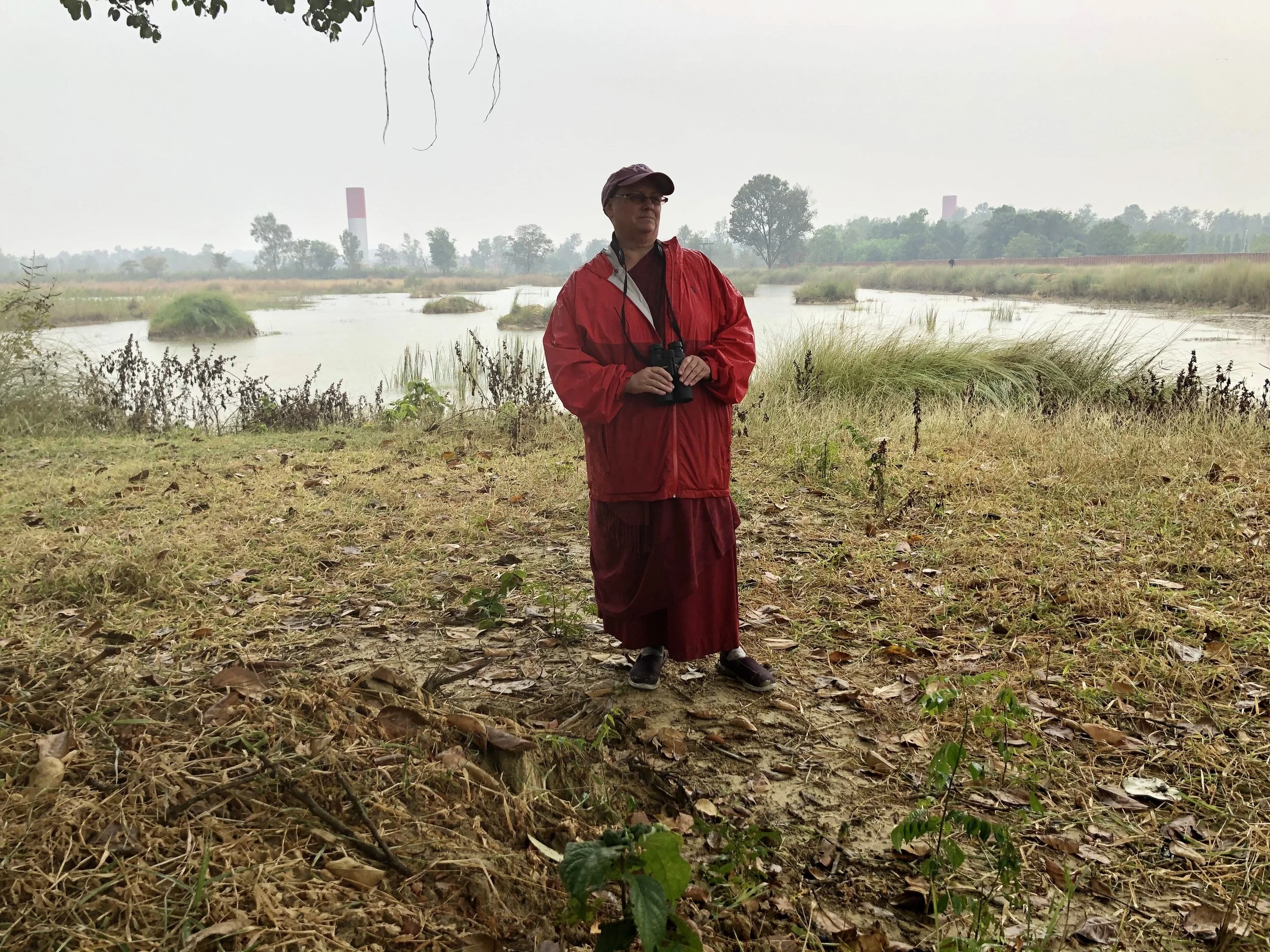
Bhante Metteyya dedicated himself to environmental conservation from an early age. Already a leader in his local nature club by grade six, he volunteered to help with the Lumbini Crane Sanctuary, laying the foundation for what was to come.
Despite an initial surge of international support, the project faced enormous struggle. For nearly a decade, outside funding dwindled to nothing. Refusing to give up and inspired by Bhante’s dedication, our core Metta Family scraped minimal funding together to construct a perimeter fence and hire a dedicated security guard to protect the site until additional funds could be procured.
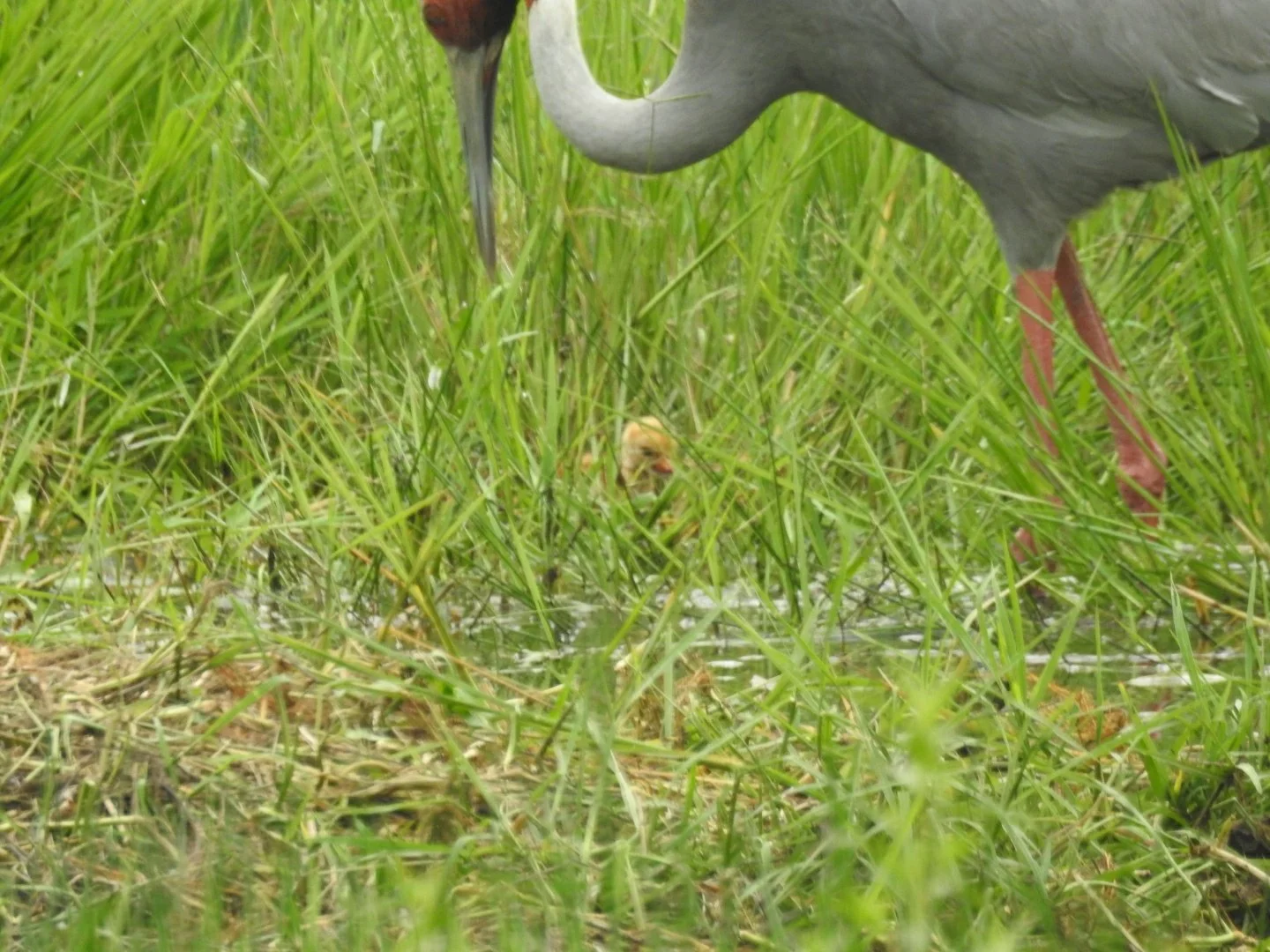
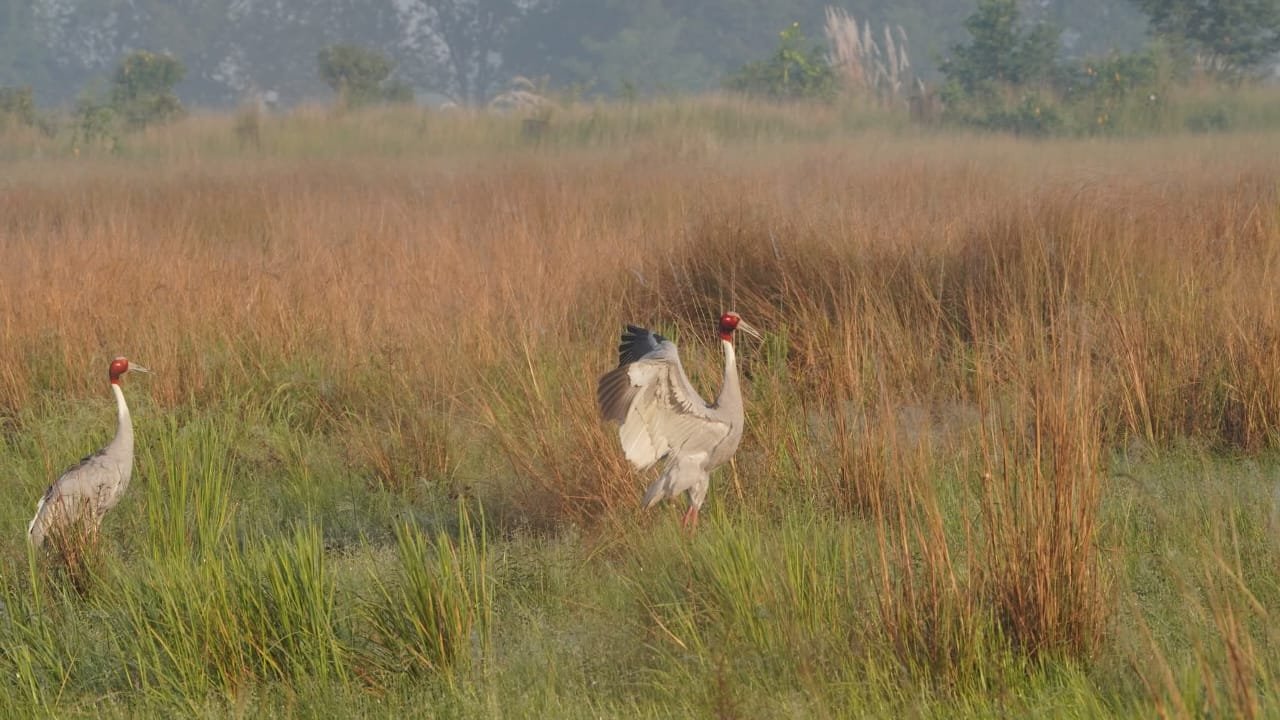
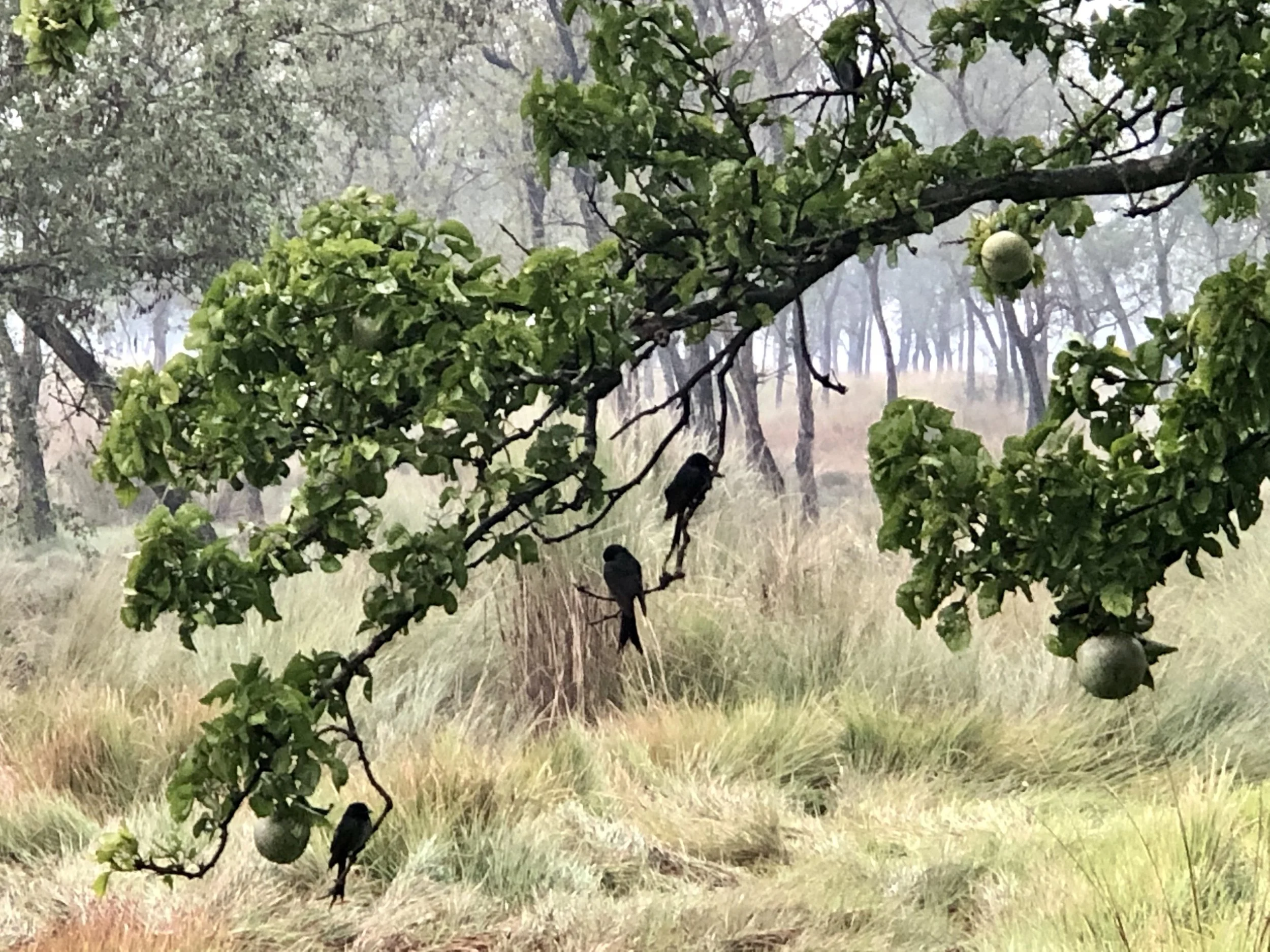
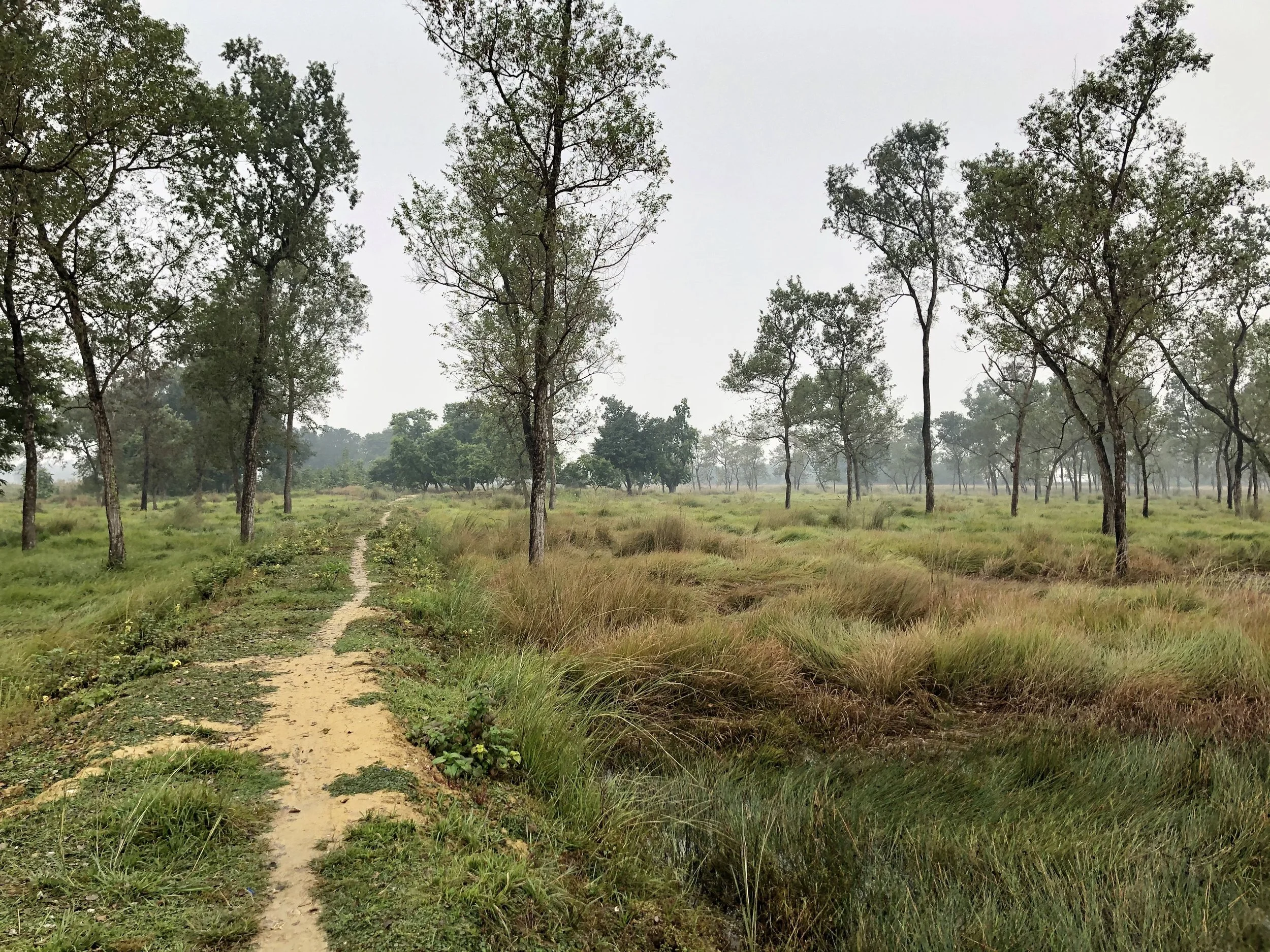
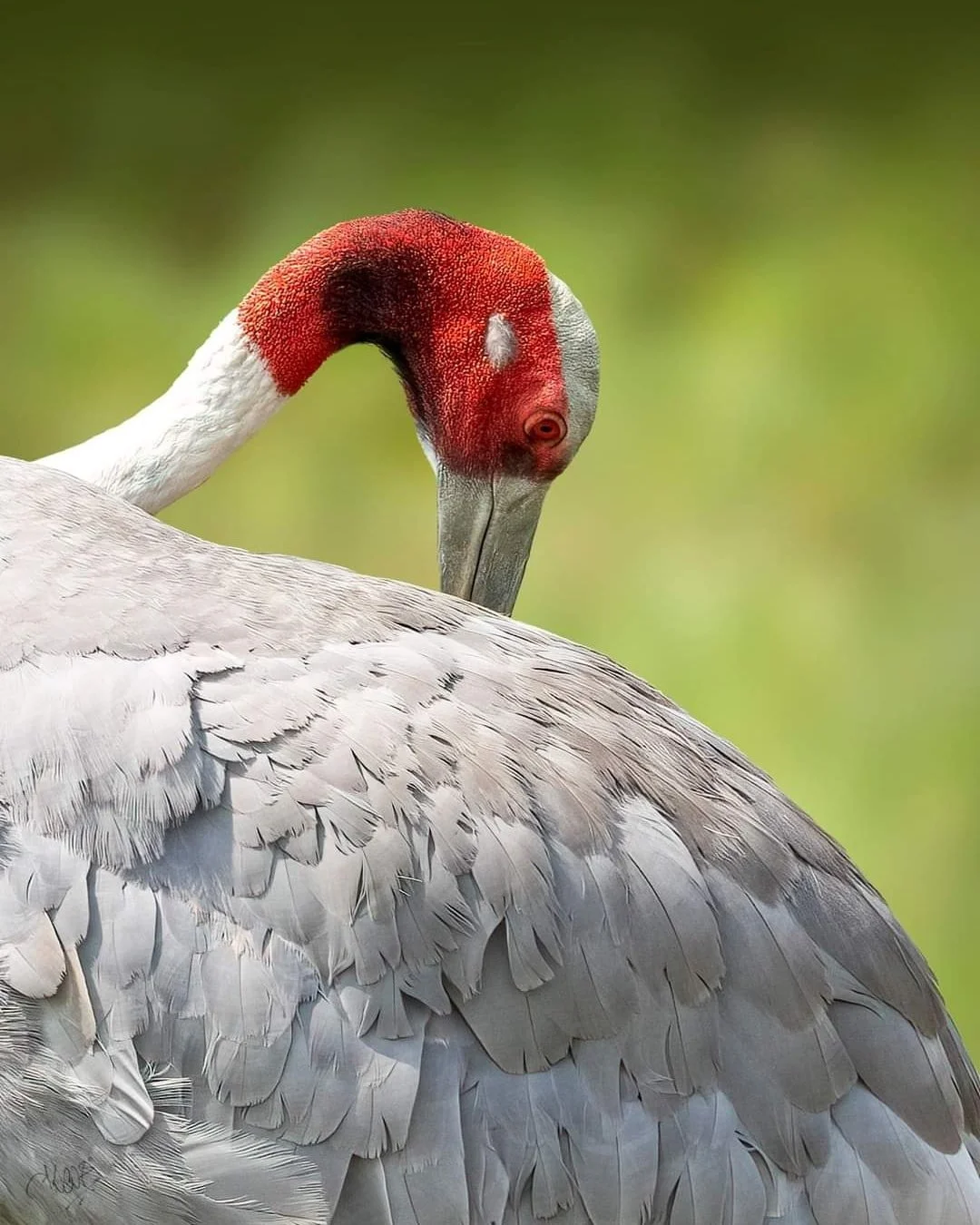
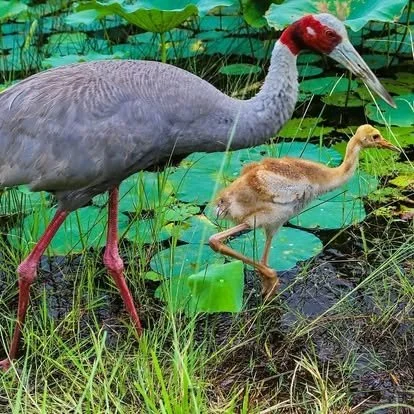
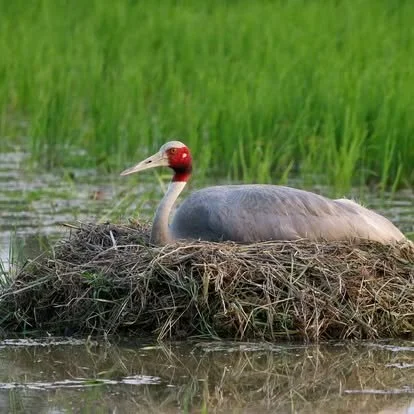
You see, these wetlands, home to the Sarus crane among a multitude of species, are a designated part of the World Heritage site of the Buddha’s birthplace, surrounding the beautiful Peace Pagoda. Although the Sarus has been on the IUCN Red List for threatened species since 2000, without public awareness and boundary control it is very easy for people to steal the Sarus eggs, illegally graze cattle on the protected land, and ravage the forest for firewood. Recent years have seen the decimation of the Lumbini forest with native trees harvested and replanted with non-indigenous timber crops. This has resulted in severe ecological degradation and disruption of the local food chains.
Excavation and Development of New Wetlands
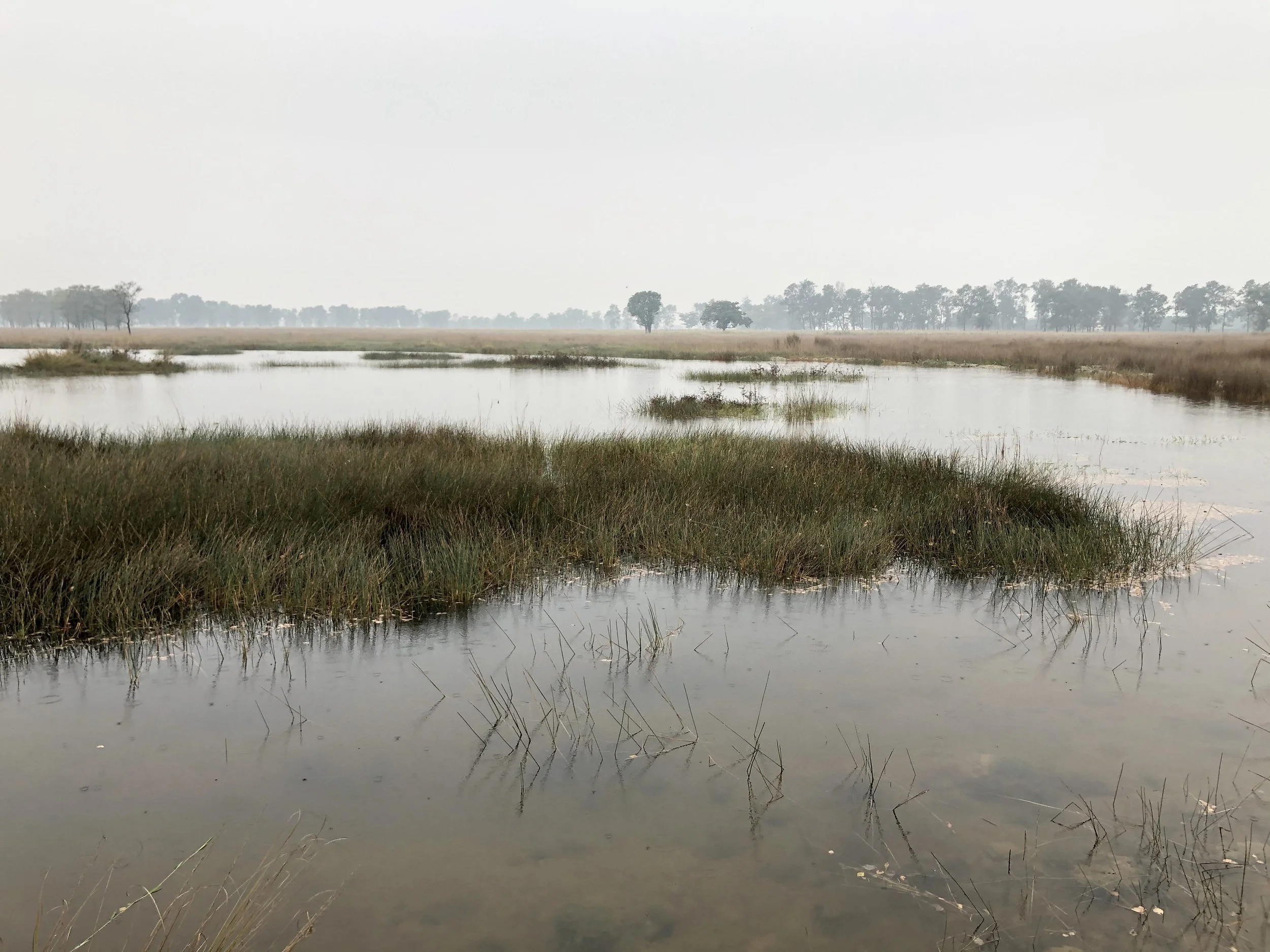
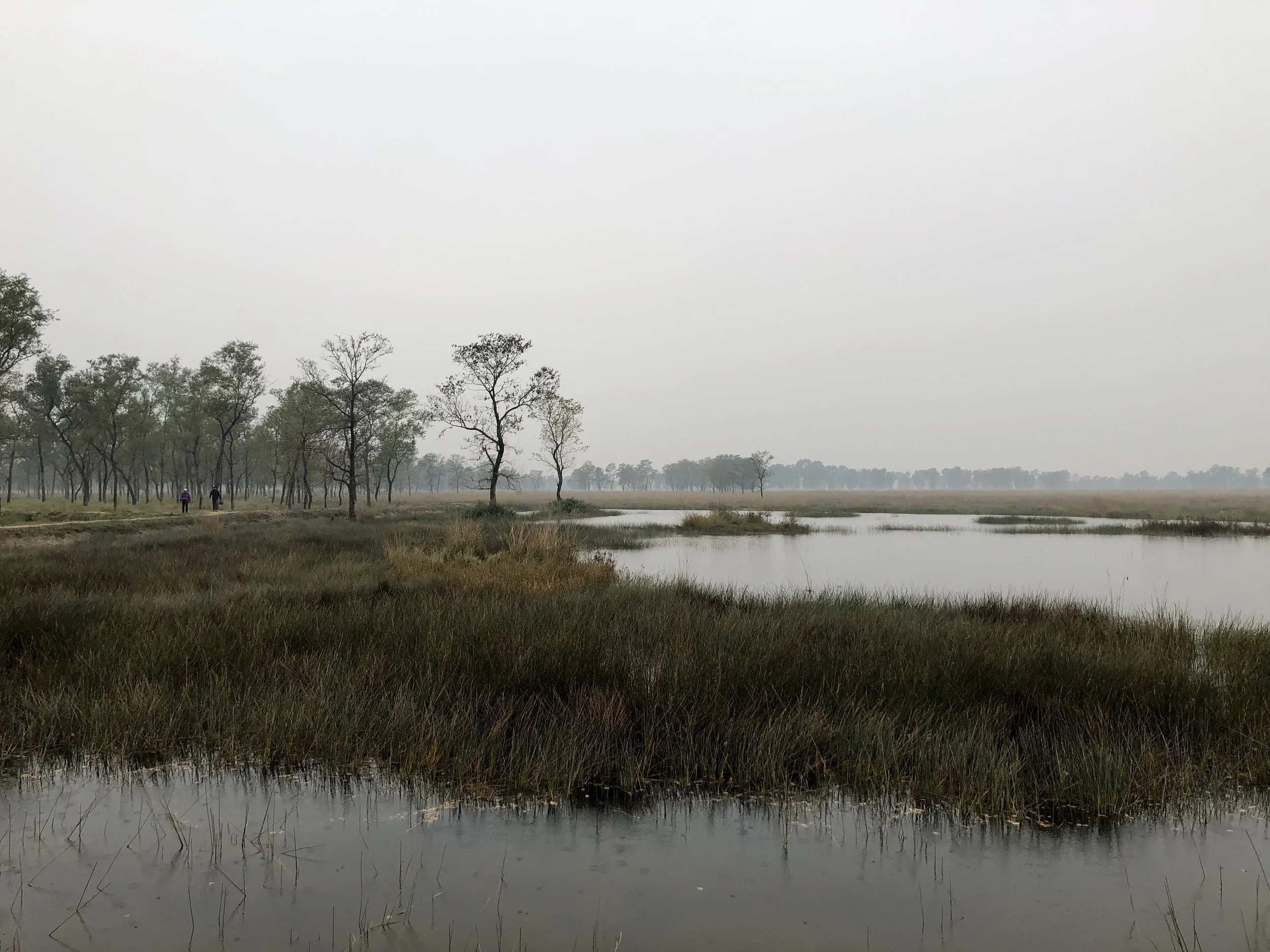
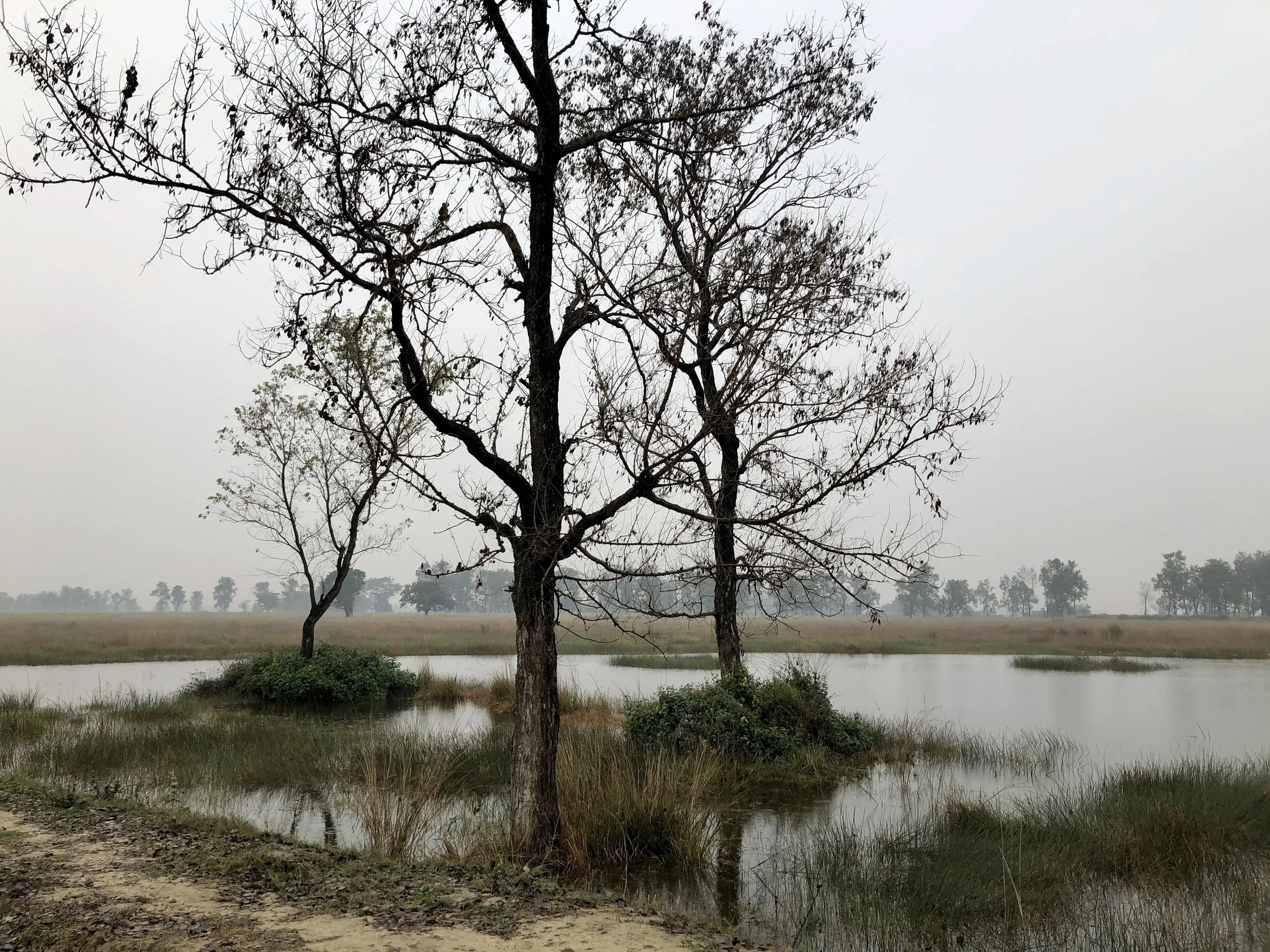
Working with local companies, gentle sloping and landscaping ensured maximum water retention. Incredibly, this approach has resulted in collection of 22 million liters of water in the eight new wetlands in the span of two months!
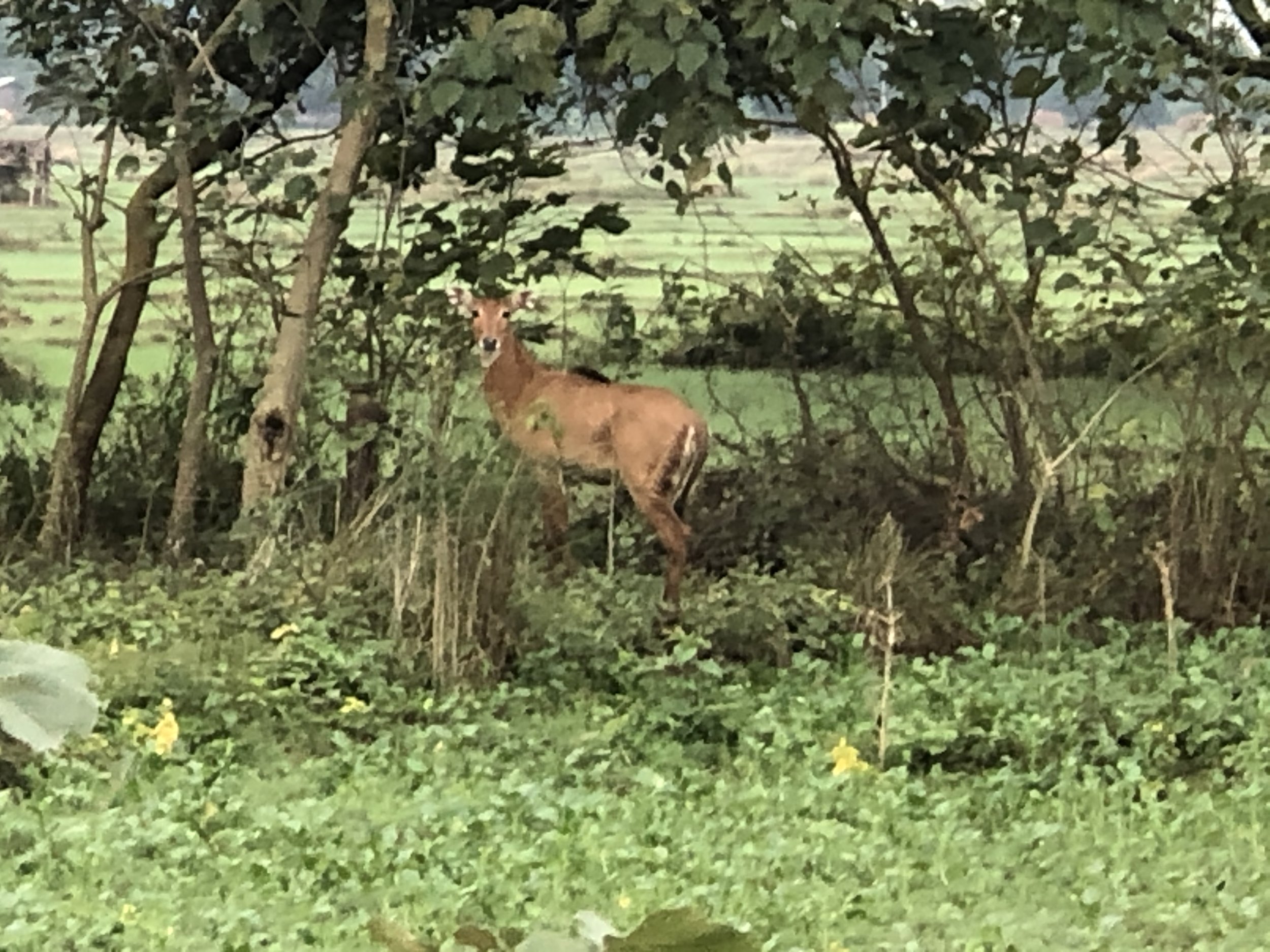
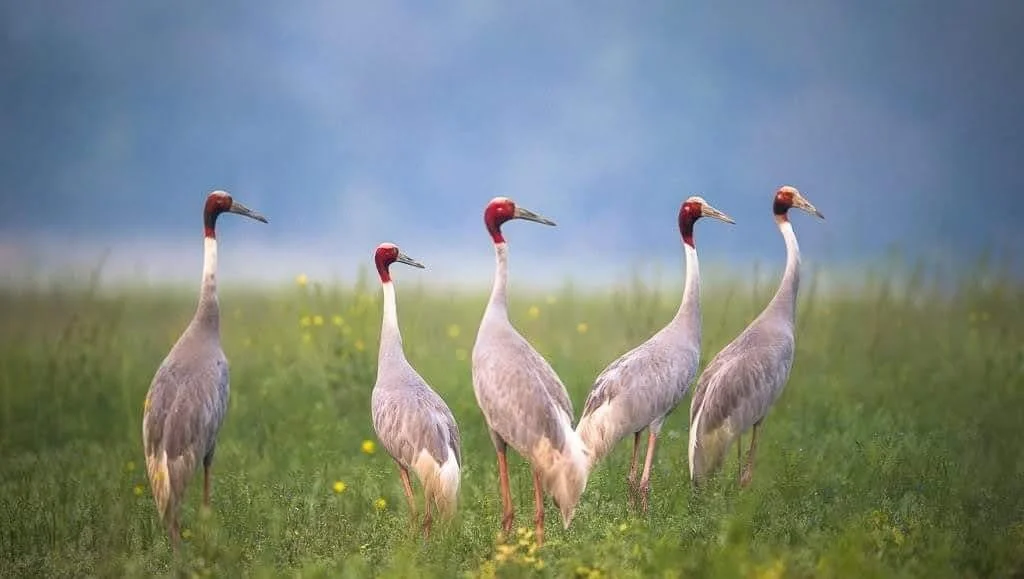
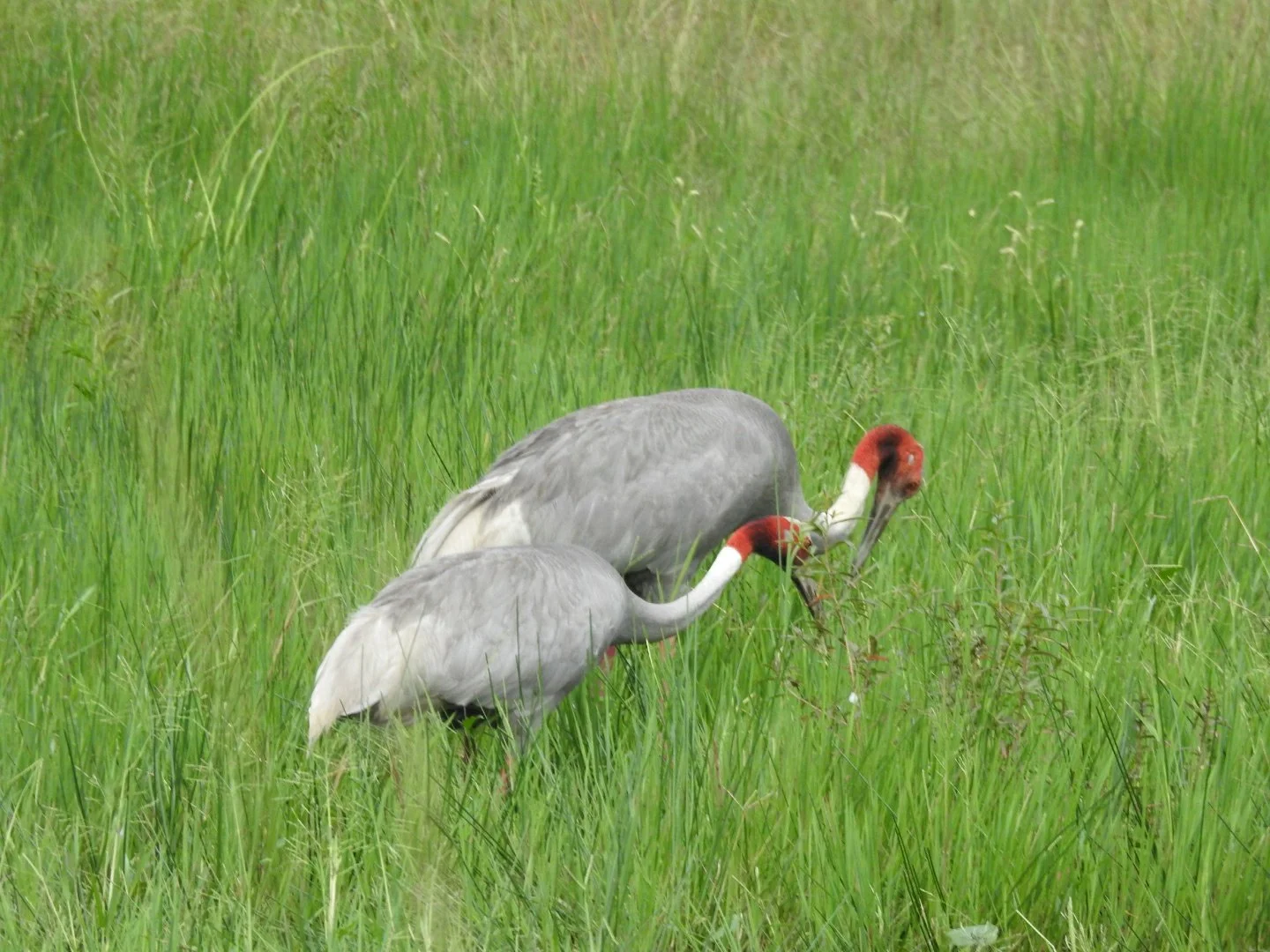
In a carefully planned and detailed effort, native aquatic plants were transplanted, and rescued wildlife (turtles and fish) were re-introduced. The res ult: successful ecosystems in all eight wetlands evidenced by the presence of new wetland birds, most notably six pairs of Sarus Cranes and their hatchlings!
The positive impact has been observed well beyond our borders: the Kathmandu Post recently reporting a ‘rare sighting’ of 4 to 5 flocks of Sarus Cranes (25-30 birds each) in nearby Tulsidihawa. These birds are non-migratory, making this resurgence a clear indication of the conservation success in habitat protection and raising local community awareness.
Protecting Indigenous Biodiversity: Growing a Plant Nursery
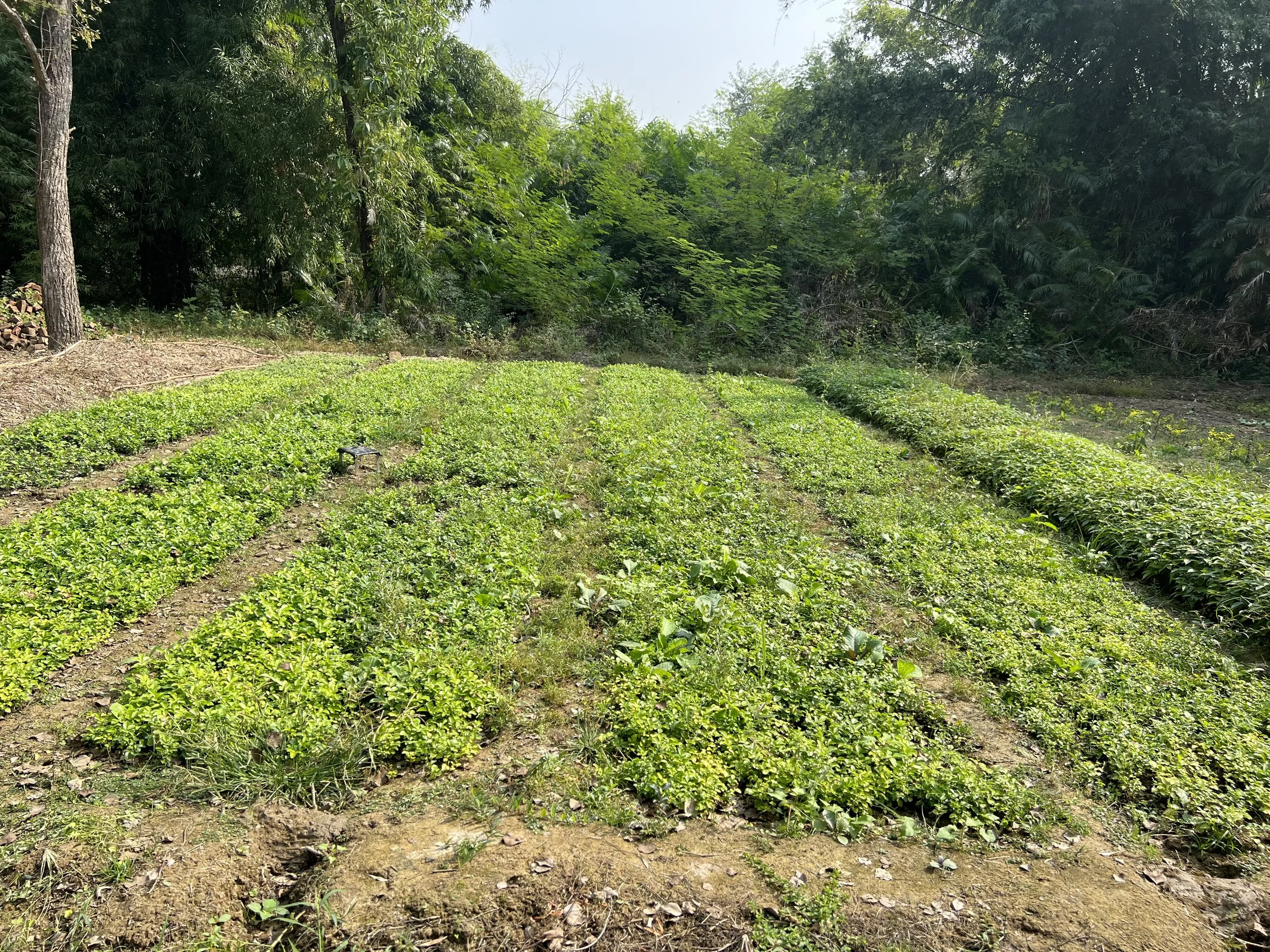
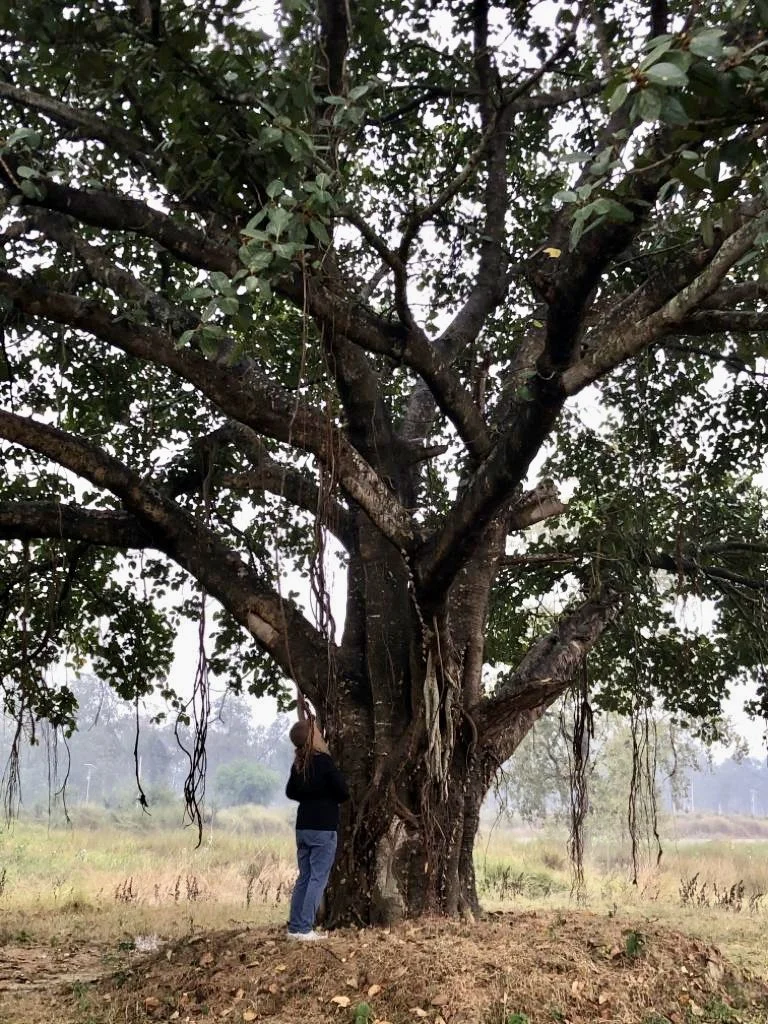
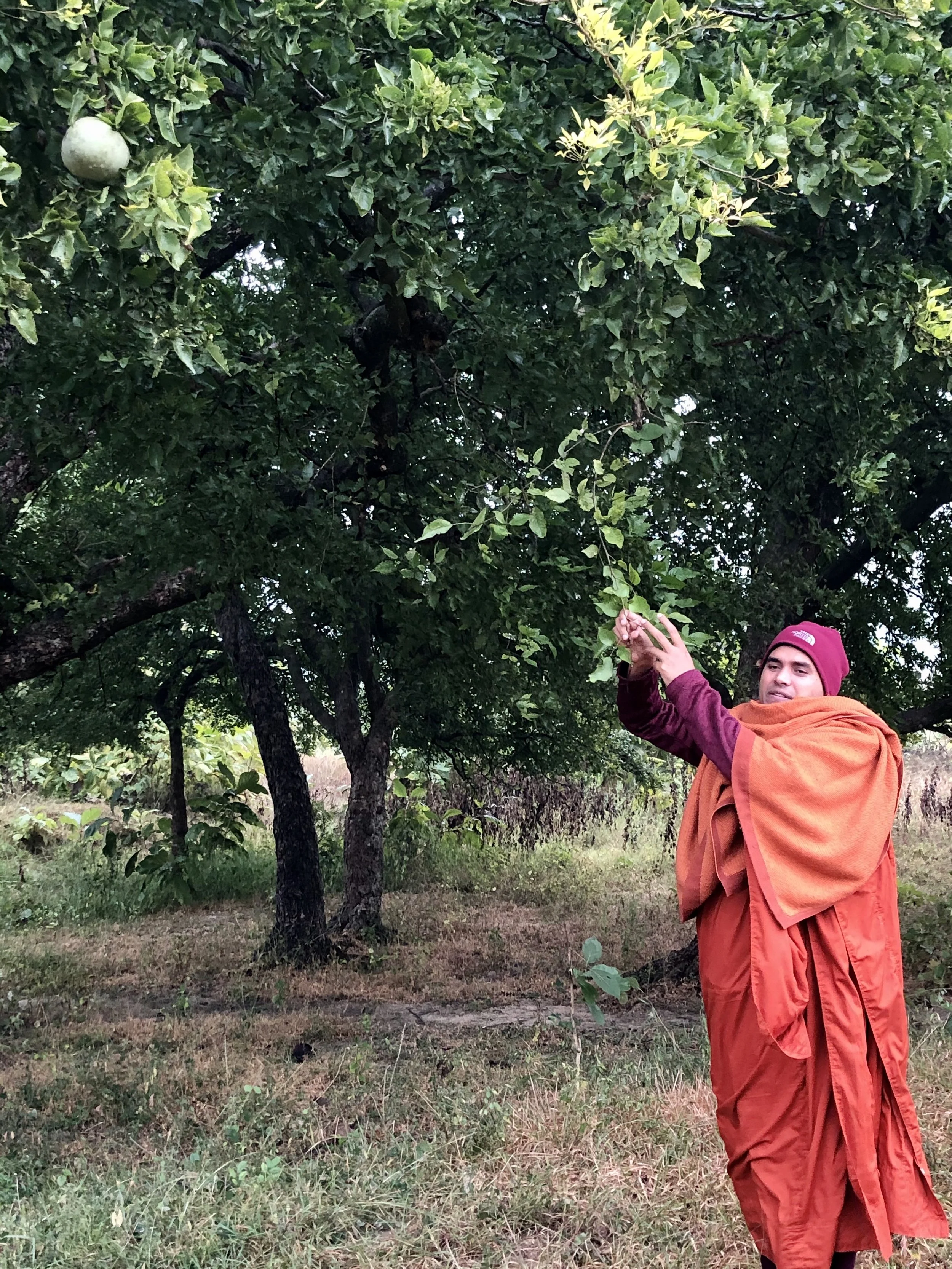
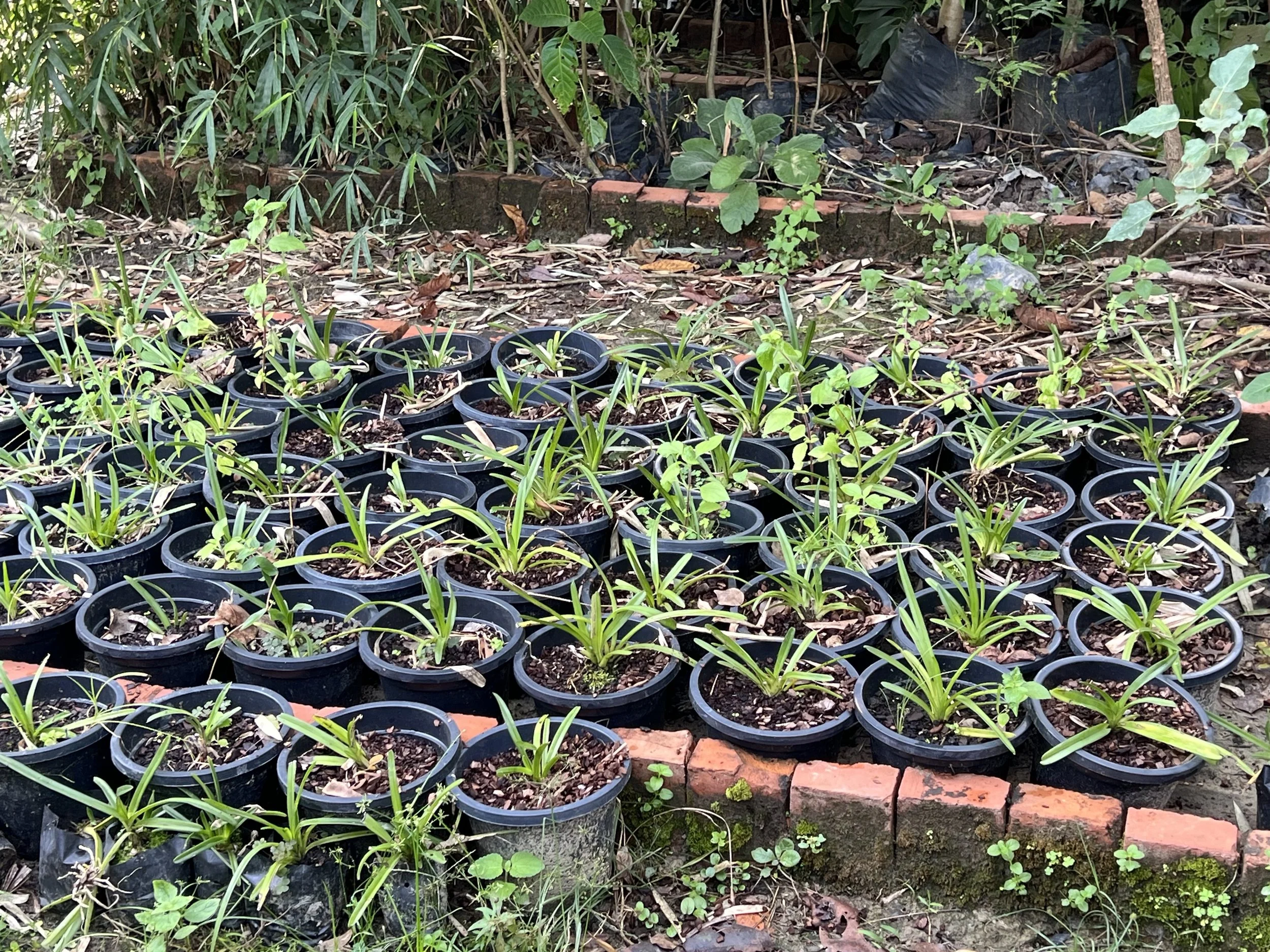
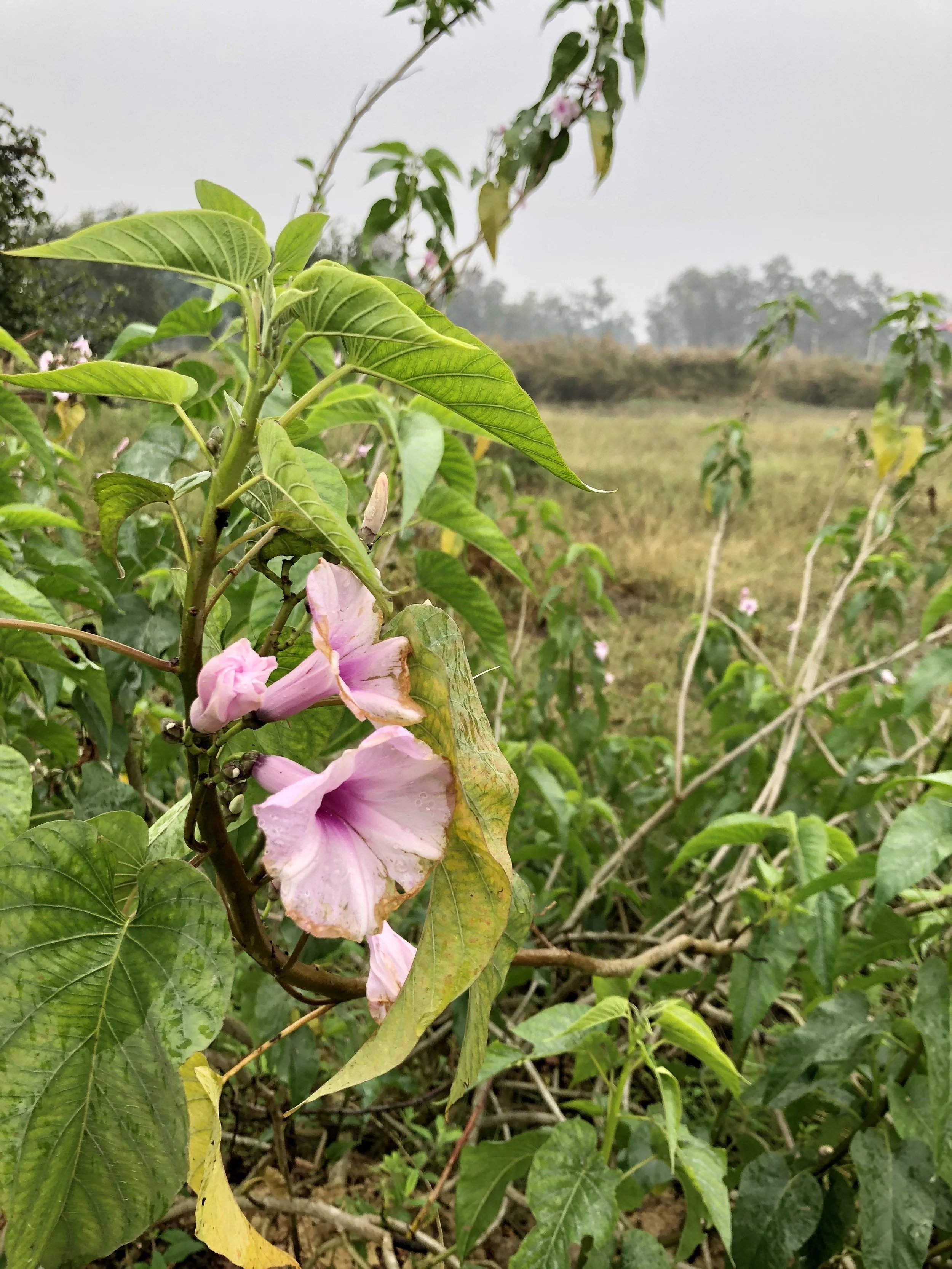
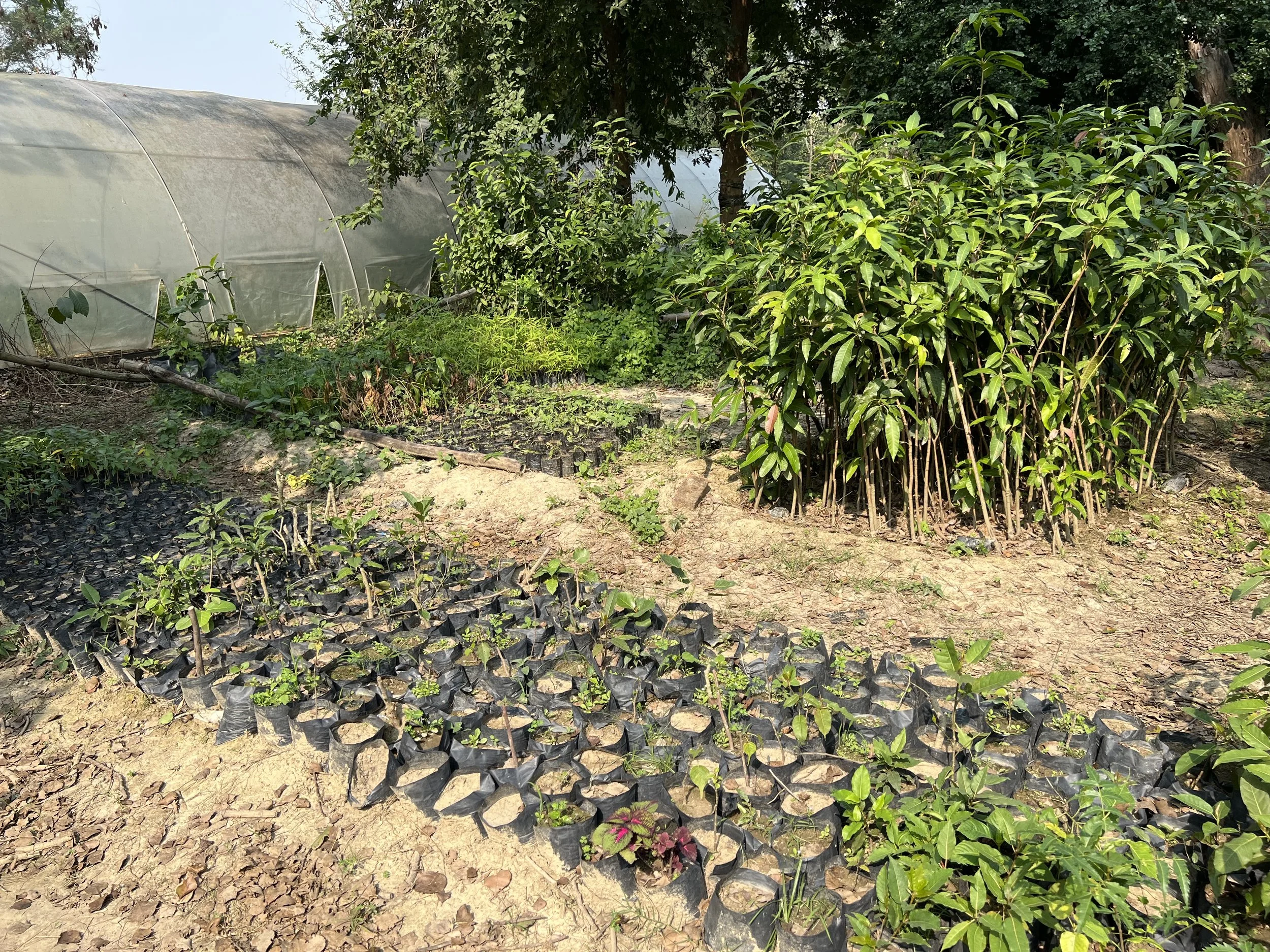
Understanding the need to protect indigenous plant as well as animal species, a plant nursery was begun to counteract the deforestation and replacement with non-native trees. Since its humble beginnings, 3,500 saplings and seedlings of indigenous tree species have been successfully planted and grown. An additional 2,500 indigenous trees now form a barrier a\round the Sanctuary’s perimeter providing necessary seclusion for local wildlife.
The Future
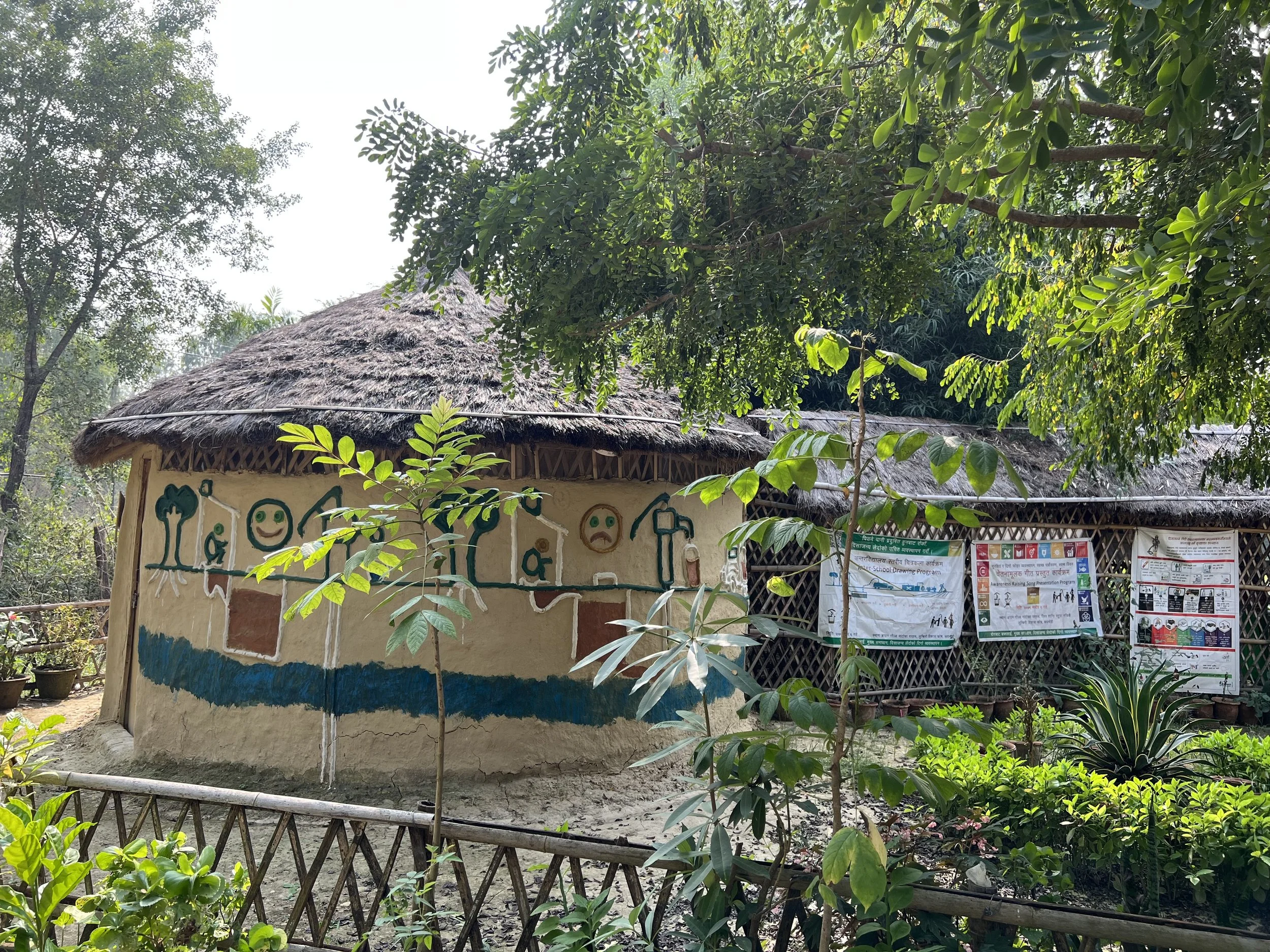
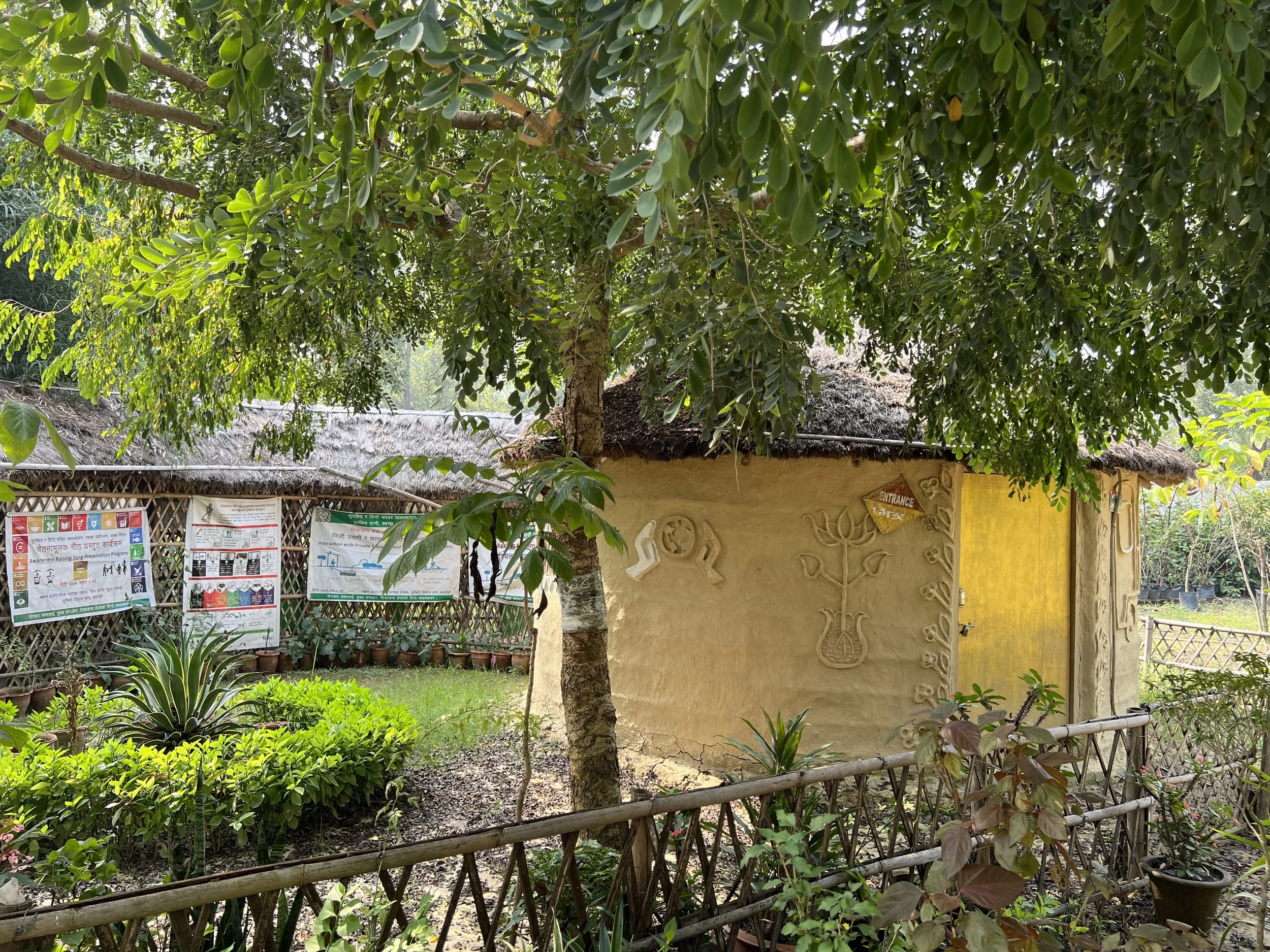
The Lumbini Crane Foundation plans to construct a Visitor Learning Centre, designed as an education and outreach hub to:
welcome and teach students about conservations efforts
provide office space for conferences with conservationists and government officials
incorporate an art center to display goods crafted by local community
Do you have an interest in protecting our environment and its indigenous species? Let’s work together…